
Tucker, GA · Garage Door Service
Spring Repair for Candler-McAfee's 1960s Garage Doors
7,676 households in Candler-McAfee, most on homes built around 1963. We explain why torsion springs fail here and what a repair from our Tucker crew looks like.
- Repairs & new doors
- Springs & openers
- Serving 5 nearby communities
Why This Fails Locally
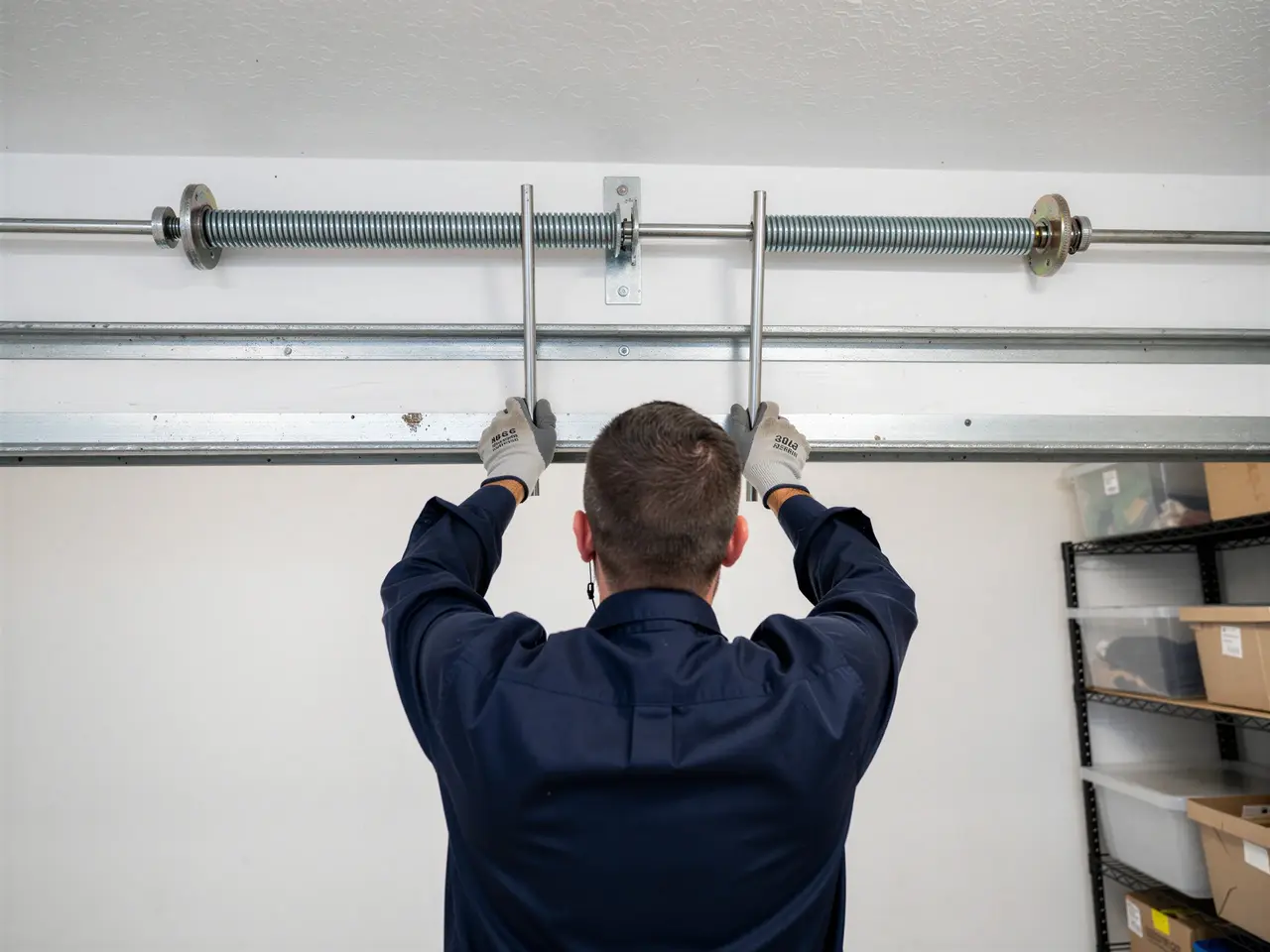
Candler-McAfee is a small pocket as these things go - about 7,676 households, nowhere near the size of the bigger named areas further out. That matters for spring work because a smaller, older area tends to have a narrower band of garage door ages, not a mix of everything from the 1950s through 2010s. Here the typical home dates to around 1963, which puts most original garage doors on torsion springs sized for steel doors half the weight of what gets installed today when a door gets swapped out. When a homeowner replaces a door but keeps the old spring, or the spring wears out on schedule, that mismatch is what breaks the cable or snaps the spring outright. Add the climate here - a cold-moderate band with real temperature swings through the year - and the metal fatigues faster than it would in a mild coastal climate. Steel contracts in cold snaps and that stress adds up over fifty-plus years of cycling. None of this is a defect in any one house. It is just what happens to torsion hardware from the same era, in the same weather, wearing out around the same time across a lot of driveways at once.
What It Costs
We don't have a posted price list for Candler-McAfee specifically, and we're not going to guess at one here. Spring jobs vary by door weight, whether it's one spring or two, and whether the drums, cables, or bearings need to come out with it - on a 1963-era door that's run the original hardware a long time, it's often more than just the spring. What we can tell you is that a straight torsion spring swap is a different job, and a different cost, from a full hardware replacement, and you won't know which one you need until someone looks at the door in person. If you want a number, that's a call, not a guess from us on a web page.
How It Shows Up
On the older torsion doors common to this part of the area, the first sign is usually a loud bang from the garage - that's the spring letting go, not the door itself failing. After that, the door either won't lift at all or an opener strains and reverses partway up, because the opener was never built to lift a two-hundred-pound door on its own. Some owners notice the cable has gone slack on one side first, which usually means the spring on that side is already weakened and close to going. On homes where a heavier replacement door went on top of an original-era spring, the wear shows up faster and the door sags visibly on one side before anything actually breaks. If your door's been making a grinding or scraping noise from the top of the opening, that's often the spring rubbing on a worn bearing plate before it fails completely - a sign to call before you're stuck with the door down.
Can You Do This Yourself
We'll say this straight: don't do this one yourself. A wound torsion spring holds enough stored tension to cause serious injury if it lets go while you're working on it, and the winding bars and clamps that make it safe aren't something most garage toolkits have. This is one job where the honest answer is to pay for the visit rather than save on it - we won't pretend otherwise. What you can safely do yourself is the diagnosis: listen for the bang, check whether the cable looks slack, and note whether the door is heavier to lift by hand than it used to be. That information helps when you call, and it costs you nothing but a few minutes with the garage light on.
Booking a Visit
We run out of Tucker, about 9 miles from Candler-McAfee, so there's no local branch here - the truck comes to you. That distance doesn't change how the repair gets done, just that it's worth telling us up front what the door is doing so we bring the right spring size and hardware on the first trip instead of a second. If you're comparing this against other spring jobs we've written up for nearby areas, or want the general rundown on how we handle spring repair out of Tucker, see our main spring repair page.
Frequently asked questions
Why did my spring break with no warning?
Torsion springs are rated for a set number of open-close cycles, usually somewhere around 10,000. On a home built in the early 1960s, a spring that's never been replaced is well past that, so it fails without warning rather than wearing down gradually. If your door is making noise beforehand, that's often the last stage before it goes.
Does Candler-McAfee's weather affect the springs?
Yes, to a degree. The area sits in a cold-moderate climate band with real seasonal temperature swings, and steel springs contract in cold weather, which adds extra stress on top of normal cycling. It's not the main cause of failure, but it speeds up wear that's already happening from age and door weight.
Do you have a shop in Candler-McAfee?
No. We're based in Tucker, about 9 miles away, and drive out to do the work. There's no local branch, just the one crew covering the area from Tucker.
Is it cheaper to replace just the spring or the whole door?
Depends on the door. If the spring is the only worn part, replacing just that is the smaller job. If the drums, cables, or bearings are also worn - common on original 1960s-era hardware - it often makes more sense to handle it all at once rather than pay for a return trip a year later.
More garage door services in Candler Mcafee
Book garage door service in Tucker
Call now or request a quote - tell us what the door is doing and where you are.