
Tucker, GA · Garage Door Service
Weather Seals and Drafts on Tucker Garage Doors
Tucker homes built mostly in the 1960s and 70s lose heat fast through worn garage door seals. Here's when to fix it and when it can wait, from Tucker Garage Door Pros.
- Repairs & new doors
- Springs & openers
- Serving 5 nearby communities
When Waiting Is Fine
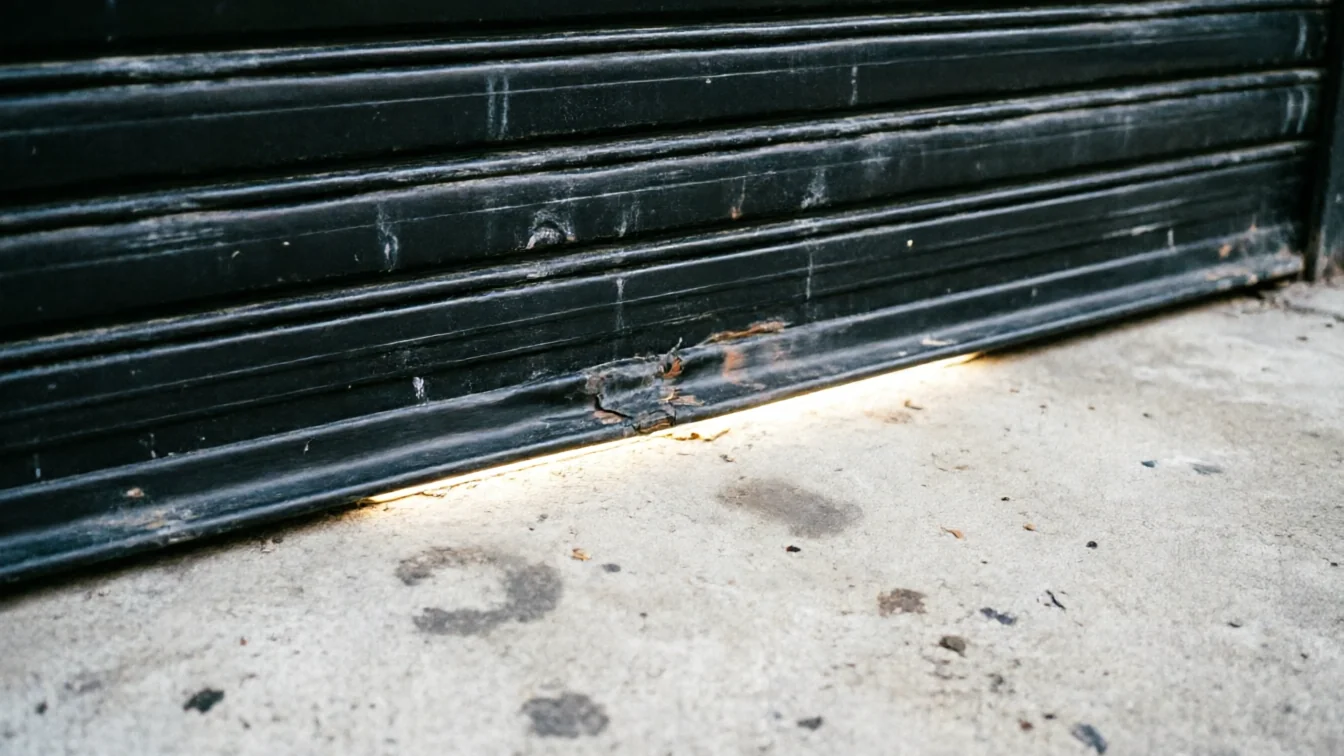
If the draft you feel at the bottom of your garage door is a thin line of cold air along the floor, and the door still closes flush, you don't need a truck out this week. A lot of the housing stock around Tucker went up between the 1960s and 70s, with the broader range running 1951 to 2012, and on doors from that era the bottom seal is usually the first thing to go - it's rubber, it's been compressed and stretched for decades, and it's cheap to replace on its own schedule rather than as an emergency. Same goes for stapled or nailed-on side seals that have pulled loose at one corner. That's a Saturday fix, not a same-day call. Where it stops being fine: if the gap is wide enough to see daylight along the whole bottom edge, if the door is binding on the track when it closes, or if you're running a heater or finished space off the garage and the cold air is actually moving the needle on your thermostat. At that point the seal isn't the only thing wearing out, and it's worth having someone look at the track and rollers while they're there.
The Situation
Tucker's garage doors mostly sit in houses built during that 1960s-70s wave, with some newer construction mixed in through 2012. The older end of that range came with door and seal hardware that wasn't built for a 50-year service life - aluminum thresholds that have warped, vinyl bulb seals gone brittle and cracked, and in some cases no bottom seal retainer at all, just a strip tacked to the wood. Newer builds in the same neighborhoods generally have better seal channels built into the door frame, so the fix is simpler: swap the seal, not the hardware around it. The mixed-age housing here means two identical-looking garage doors three streets apart can need completely different repairs. One thing worth saying plainly: we don't patch a seal that's failing because the door panel itself is warped or the track is out of alignment. Replacing a $20 seal on a door that's fighting its own frame just means you're back out here in six months. If the door's closing crooked, that's the conversation to have first.
What It Costs
We don't have a flat number to hand out here, because the right fix depends on what's actually failing - a bottom seal swap is a different job than replacing a threshold or rebuilding a stripped seal channel on an older frame. What we can tell you is what drives the cost up: aluminum thresholds on the oldest doors in the 1960s-70s stock often need to be replaced rather than resealed, since the channel itself has corroded or warped. Doors built with a factory seal retainer, more common in the newer end of Tucker's 1951-2012 housing range, are usually a straight seal swap and nothing else. If you want a real number, that's a look-at-the-door conversation, not a phone quote.
What the Weather Here Does to It
Tucker sits in a cold-moderate climate band, which means the seal isn't fighting extreme heat or hurricane-driven rain - it's fighting repeated freeze-thaw cycling through the winter months. That cycling is what actually kills rubber and vinyl seals: they contract in the cold, lose a little elasticity each time, and by year eight or ten they're cracked and stiff instead of pliable. On the older homes in the 1960s-70s band, that aging has usually had 50-plus years to compound, which is why those are the doors where we most often find the seal gone brittle all the way around rather than failing at one spot. It's also why a late-fall seal check matters more here than a mid-summer one - catching a cracked seal before the first hard cold snap means you're not losing heated air out of the garage all winter, and it means the seal isn't sitting there absorbing moisture that freezes and splits it further.
Frequently asked questions
How do I know if my garage door seal is actually the problem and not the door itself?
Close the door and check for light or a visible gap along the bottom and sides. If the gap is even all the way across, it's the seal. If it's wider on one side or the door looks crooked in the frame, the track or hinges are likely involved too, and that's a different repair.
Does the age of my house affect what kind of seal my garage door has?
Yes. Tucker's housing runs from the early 1950s through 2012, with most built in the 1960s and 70s. Older doors from that era often lack a proper seal retainer channel, so the fix is more involved than on newer construction with a factory-built channel.
Is a drafty garage door worth fixing before winter?
In this climate band, cold cycles through repeatedly rather than hitting one extreme, and that cycling is what wears seals out fastest. Fixing a cracked or brittle seal before the first hard cold snap keeps heated air in and keeps the seal from absorbing moisture that freezes and splits it further.
Related garage door services in Tucker
More garage door guides
Book garage door service in Tucker
Call now or request a quote - tell us what the door is doing and where you are.